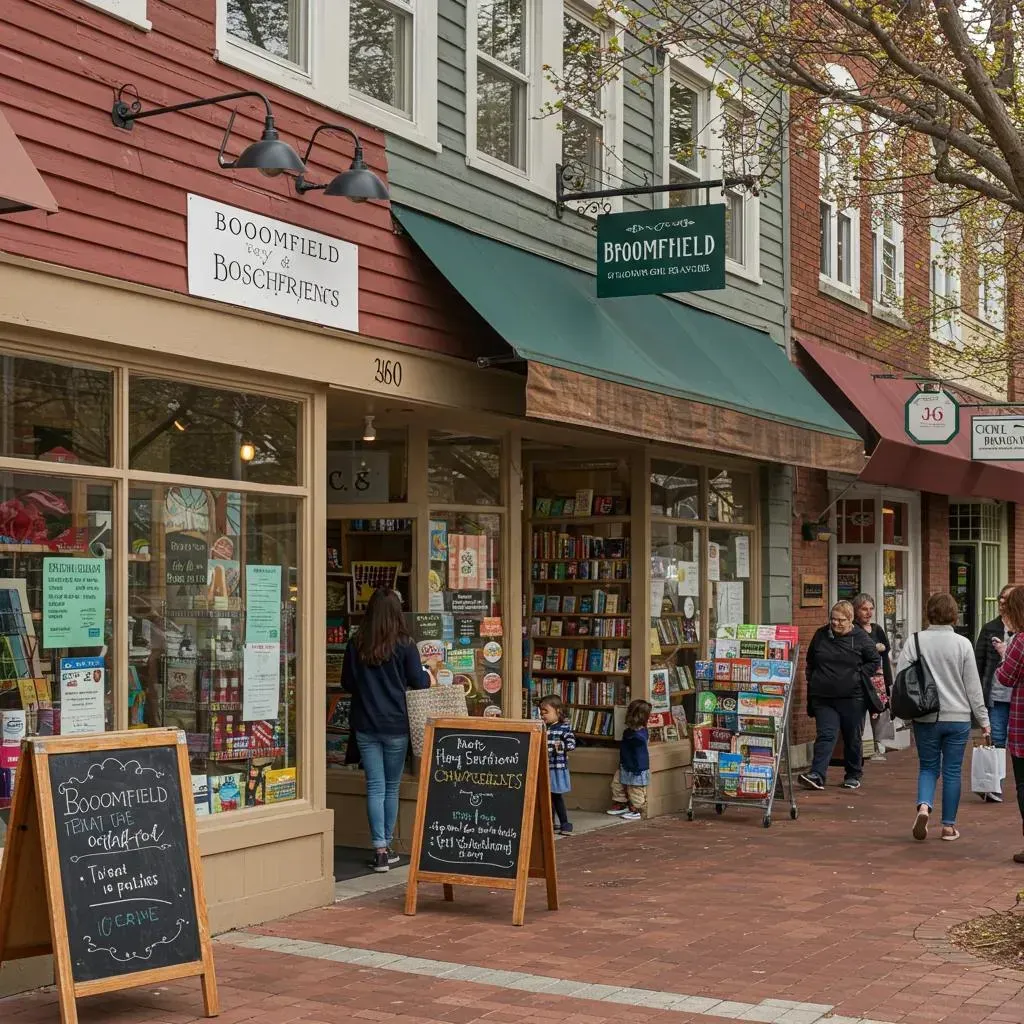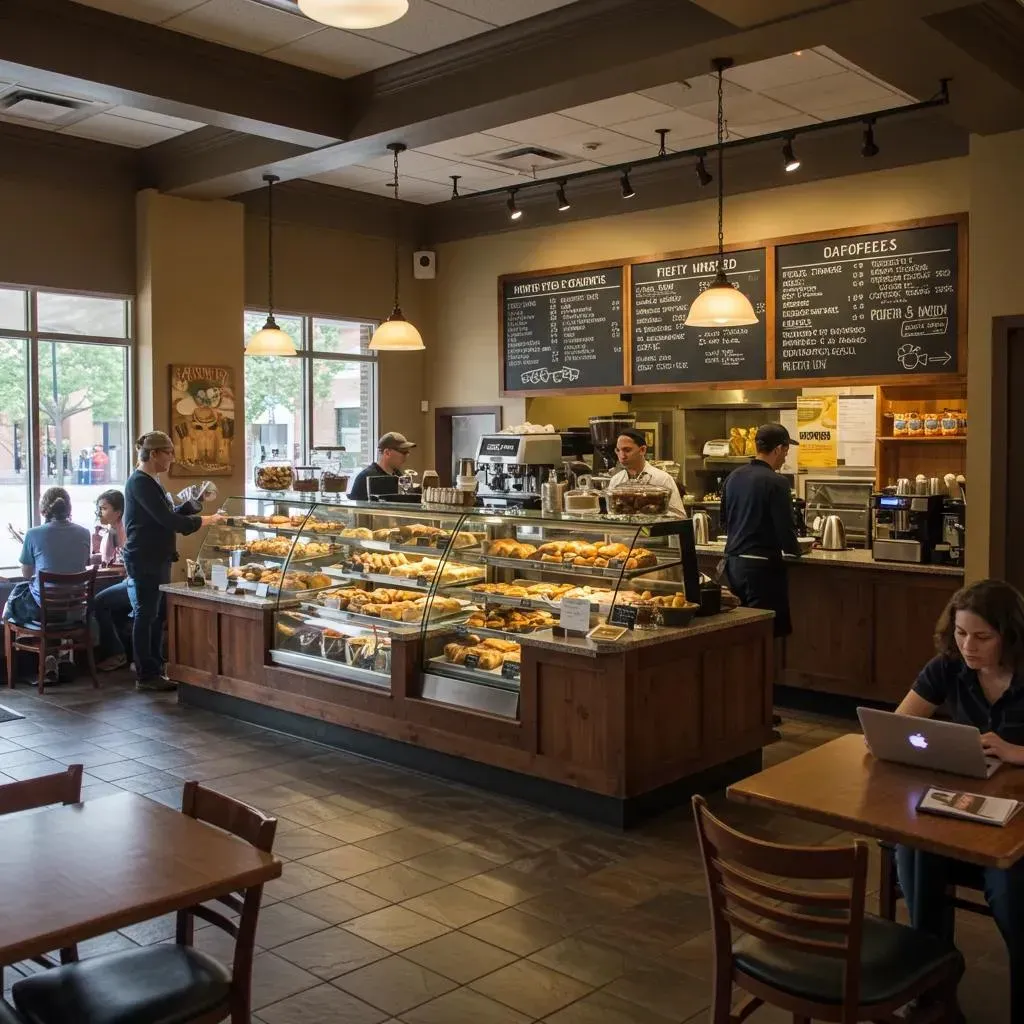
Moving to Broomfield, CO? Neighborhood & Lifestyle Guide
Moving to Broomfield, Colorado? Your Complete Neighborhood & Lifestyle Guide
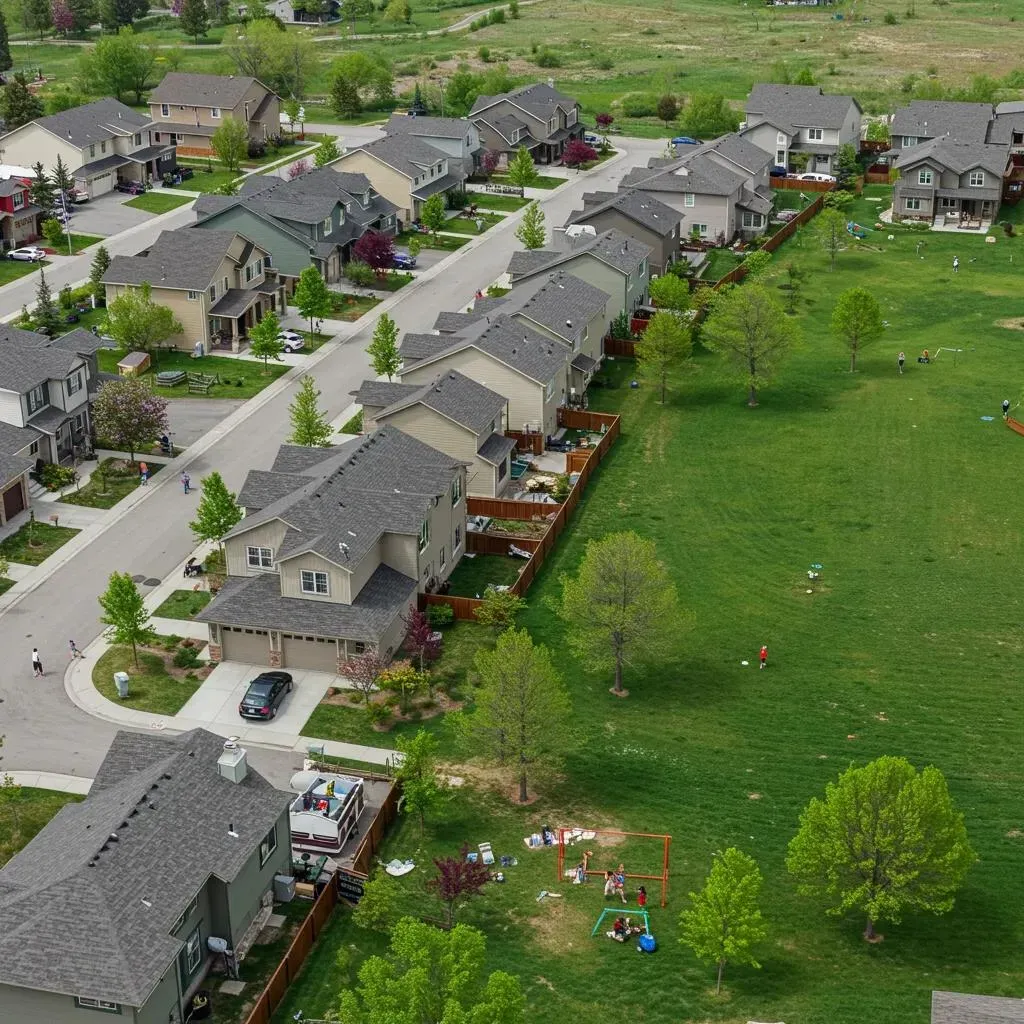
Broomfield, Colorado is a consolidated city–county on the Front Range offering suburban convenience with direct access to Denver and Boulder, and a community-oriented lifestyle attractive to families, commuters, and outdoor enthusiasts. This guide explains what makes Broomfield appealing, breaks down neighborhood differences, outlines cost-of-living considerations, and maps how schools, jobs, recreation, and transit shape daily life for new residents. Many people relocating face uncertainty about which neighborhood fits their budget and routine; this article provides decision frameworks, comparative data, and local resources to simplify that process. You’ll find hyper-local neighborhood mini–profiles, a parseable cost-of-living table, school comparisons, commute guidance, and practical pros-and-cons to help you decide where to live. Wherever you are in the moving process, the sections below walk through what to expect from housing and expenses, how school zones influence choice, where to find outdoor amenities and events, and which neighborhoods match common lifestyles like commuters, young professionals, families, and retirees.
What Makes Broomfield, Colorado a Great Place to Live?
Broomfield is a suburban Front Range community that combines proximity to metro job centers with accessible parks, shopping, and recreation, offering a high quality of life for households prioritizing both outdoor access and commute options. The city’s consolidated city–county status streamlines local governance and brings together residential neighborhoods, commercial centers, and regional transit connections that support varied lifestyles. Residents benefit from nearby retail hubs and recreation facilities alongside a mix of housing types, which makes Broomfield attractive to families and professionals. The following key facts illustrate Broomfield’s position in the region and prepare you to compare it with Denver and Boulder.
What Are the Key Facts About Broomfield’s Location and Community?
Broomfield sits on the Colorado Front Range between Denver and Boulder, serving as a regional bedroom community with growing residential and commercial development. The population has been growing steadily, with an approximate population of 78,323 as of 2024, which reflects continued demand for housing and amenities near major employment centers. Its consolidated city–county governance means municipal services and planning often align across what might otherwise be separate jurisdictions, simplifying local public services and permitting. These structural and demographic facts underscore Broomfield’s role as a mid–sized suburban center that provides both neighborhood-level community character and convenient regional access for commuters.
How Does Broomfield Compare to Nearby Cities Like Denver and Boulder?
Broomfield offers a suburban balance between Denver’s urban density and Boulder’s college-town character, with generally lower day–to–day congestion than central Denver and more household space than typical Boulder neighborhoods. Cost of living and housing in Broomfield usually sit between Denver and Boulder—housing premiums are notable regionally, with local index estimates ranging above the national average—while commute times are competitive thanks to direct highway routes and regional transit. Lifestyle differences matter: Denver suits those seeking nightlife and dense transit, Boulder appeals to outdoors–and–academia types, and Broomfield fits households seeking family-friendly neighborhoods with fast access to both metro cores. Use these distinctions to decide which regional trade–offs match your priorities.
What Is the Quality of Life and Lifestyle in Broomfield?
Quality of life in Broomfield centers on outdoor recreation, family amenities, and accessible shopping and dining, supported by facilities such as regional recreation centers and nearby shopping districts. Residents report strong access to trails and parks, community events that build social connections, and retail centers that meet most everyday needs without long drives. The local mix of public and private recreation opportunities—combined with structured community programming—supports a family-oriented rhythm of life while remaining attractive to active professionals. These lifestyle strengths naturally lead to questions about neighborhood fit and school access, which the next section addresses by mapping neighborhoods to common priorities.
Which Neighborhoods Should You Consider When Moving to Broomfield?
This section profiles Broomfield’s prominent neighborhoods with quick descriptors and a comparison table to help narrow choices by housing type, price range, amenities, and school district fit. Neighborhoods in Broomfield range from planned communities with HOA amenities to older, established subdivisions with mature trees and larger lots. Read the mini–profiles to identify which neighborhoods match your commute, budget, and lifestyle needs, then review the comparison table for a quick side–by–side.
What Are the Top Family-Friendly Neighborhoods in Broomfield?
Family-focused neighborhoods emphasize parks, walkable streets, and proximity to reputable schools, with community events and recreation centers nearby. Examples of family-oriented pockets include Broadlands and Wildgrass, known for playgrounds, trails, and active HOA programming, along with quieter established neighborhoods near Paul Derda Recreation Center that offer short school commutes and local play spaces. When choosing for family life, prioritize access to elementary schools, safe sidewalks, and neighbors who participate in community activities. These neighborhood attributes directly influence lifestyle and resale values, so they merit careful comparison before making a decision.
How Do Neighborhoods Differ in Housing Types and Amenities?
Neighborhoods differ significantly in housing stock; some offer primarily single-family homes with attached garages, others present townhomes and low-rise condos, and a few pockets include luxury estates or patio homes for downsizers. Amenity differences include HOA pools, golf course adjacency, trail connectivity, and proximity to retail nodes like FlatIron Crossing or Orchard Town Center. Housing price bands vary accordingly, and the presence of HOA amenities often means additional monthly fees but also maintenance and community programming. Understanding the typical housing type in each neighborhood helps align budget and lifestyle expectations before touring properties.
Introductory table: Quick comparison to help narrow neighborhoods based on common moving priorities.
| Neighborhood | Typical Housing Types | Median Price Range | Key Amenities | Primary School District |
|---|---|---|---|---|
| Anthem Highlands | Single-family homes, some townhomes | $450K–$850K | Trails, parks, viewpoints | Adams 12 |
| Broadlands | Single-family, family-oriented plans | $500K–$900K | Parks, pools, playgrounds | Adams 12 |
| McKay Landing | Mixed single-family and attached | $400K–$750K | River access, greenbelts | Adams 12 |
What Schools Serve Each Neighborhood?
School assignments are a primary factor for family movers and can vary by street; Broomfield is served mainly by Adams 12 Five Star Schools with portions in neighboring district boundaries for some neighborhoods. Top local school options include traditional public schools and several charter or choice schools that draw families based on program offerings. When evaluating neighborhoods, verify exact school boundaries and enrollment procedures since these can materially affect commute patterns and housing demand. Confirming school catchment maps and visiting campuses are important next steps after short–listing neighborhoods.
How to Choose the Right Neighborhood for Your Lifestyle?
Choosing the right neighborhood starts with ranking your non–negotiables—commute time, school quality, housing size, and access to outdoor amenities—and matching them to neighborhoods that emphasize those attributes. Create a simple decision checklist weighing commute vs. cost, school fit vs. housing type, and HOA vs. independent maintenance to compare options objectively. Sample personas help: young professionals may prioritize proximity to transit corridors and walkable dining, families may select school adjacency and parks, and retirees may focus on low–maintenance homes and nearby medical services. Use neighborhood visits at different times of day to validate noise, traffic, and amenity access before making an offer.
What Is the Cost of Living in Broomfield, Colorado?
Cost of living in Broomfield is above national averages in several categories—housing being the dominant driver—while other expenses such as utilities, groceries, and transportation track regional norms. Housing premiums in the area are a major component of the higher index values; median household income ranges help offset these costs for many residents. Below is a focused comparison table to parse the main expense categories and how they compare to national figures, followed by practical takeaways for budgeting when moving to Broomfield.
How Does Housing Cost Affect Your Budget in Broomfield?
Housing is the largest budget item for most households in Broomfield, with median home prices reflecting a regional premium that can exceed national levels significantly and affect mortgage, property tax, and insurance outlays. Renters will also see higher-than-average market rents compared with many U.S. cities, though rental options vary by neighborhood and dwelling type. Example budgets for buyers and renters should account for higher down payments in competitive markets, plus contingency for HOA fees in amenity-rich developments. Carefully modeling your mortgage scenarios and comparing rent vs buy in your chosen neighborhood will clarify long-term affordability.
Introductory table: Typical monthly expenses and national comparisons to aid budgeting.
| Expense Category | Typical Local Cost (Approx.) | Comparison to National Average |
|---|---|---|
| Housing (mortgage/rent) | Higher than national median | ~40%–50% higher for housing index |
| Utilities | Moderate, seasonal variance | Slightly above national average |
| Groceries | Comparable to regional averages | Slightly above national average |
What Are Typical Expenses for Utilities, Groceries, and Transportation?
Monthly utilities in Broomfield follow regional patterns—higher electricity or heating costs in colder months and modest water and waste fees—so seasonal budgeting is important for accurate monthly cashflow planning. Grocery prices are above the national average in many Front Range communities due to distribution and demand factors, while transportation costs depend highly on commute mode; car owners should include fuel, insurance, and parking, whereas transit users may lean on regional services to reduce driving costs. Build a projected monthly budget that includes utilities, groceries, and transportation with conservative estimates for seasonal spikes to avoid surprises.
Is Broomfield More Expensive Than Other Colorado Cities?
Broomfield’s cost profile generally sits between Denver and Boulder for many categories but remains above national averages, particularly for housing; cost–of–living indices often show local figures ranging from moderately above to substantially higher depending on housing market conditions. Practical takeaway: expect to pay a premium for proximity to major employment corridors and for neighborhoods with extensive amenities or superior school access. Balancing neighborhood selection, housing type, and commute tolerance is the most effective way to manage total cost of living while retaining access to regional benefits.
What Should Families Know About Schools and Education in Broomfield?
Families should map school districts and individual school performance to neighborhood selection, because school quality and boundaries have direct effects on commute times, housing demand, and long–term property value. Broomfield is primarily served by Adams 12 Five Star Schools with some areas overlapping neighboring districts; several well-regarded charter and choice programs operate nearby. Below is a comparison table of representative schools and key metrics to help parents compare options. After the table, guidance explains enrollment considerations and how school performance shapes neighborhood desirability.
Which School Districts Serve Broomfield Residents?
Adams 12 Five Star Schools serves a majority of Broomfield addresses, with some neighborhoods falling under portions of Boulder Valley or Jefferson County districts depending on location, historical boundaries, and annexation lines. District coverage affects available programs, school calendars, and transportation policies, which in turn influence family decisions about where to live. Parents should consult district enrollment guidelines, open–enrollment options, and school choice resources to determine eligibility and application timing. Mapping your preferred neighborhoods to district boundaries is a crucial early step in any family relocation plan.
1. Example Elementary
- Grades: K–5
- Proficiency (Math/Reading): Math 51% / Reading 62% (representative)
- Enrollment: Mid-size
- District: Adams 12
2. Jefferson Academy
- Grades: 6–12
- Proficiency (Math/Reading): Varies by program
- Enrollment: Charter enrollment model
- District: Jefferson County
3. Stargate Charter
- Grades: K–8
- Proficiency (Math/Reading): Specialized programs
- Enrollment: Choice-based
- District: Adams 12
What Are the Top-Rated Schools in Broomfield?
Top-rated schools often include a mix of public and charter options that showcase strong test proficiency, extracurricular programming, and targeted pathways; examples in the area include district and charter schools known for academic or programmatic strengths. Parents should evaluate current proficiency scores, special programs, teacher–to–student ratios, and extracurricular availability when short–listing schools. Visiting campuses and speaking with administrators provides insight beyond statistics and helps assess whether a school’s culture fits your child. School quality often translates into stronger demand for nearby housing, so factoring in school reputation is key to long–term planning.
How Do Schools Impact Neighborhood Choices?
School boundaries and perceived school quality have a measurable effect on neighborhood desirability and property pricing; families frequently prioritize neighborhoods that guarantee short school commutes and strong programs. Trade–offs arise when the highest–rated school zones carry housing premiums, leading some families to weigh commute time against property cost. Parents can use enrollment options like open enrollment or charter applications to access preferred programs, but these may require additional logistics. Understanding these trade–offs allows families to weigh immediate schooling needs against budget and lifestyle goals when choosing where to live.
What Job Opportunities and Industries Are Available in Broomfield?
Broomfield’s job market includes a mix of technology, healthcare, manufacturing, retail, and educational employers, creating a diversified local employment base that supports both office–based professionals and service workers. Regional employer hubs near Broomfield expand job choices across multiple sectors, while local small businesses and retail centers provide community–level opportunities. Below are snapshots of local employer types, growth trends, and household income context that help explain how jobs support affordability and commuting patterns. The subsequent subsections identify major employer categories and how industry trends translate into local hiring demand.
Which Major Employers Drive Broomfield’s Job Market?
Major employers in the area include technology and corporate operations centers, manufacturing facilities, healthcare providers, and national retail or service firms with local distribution or office presence. These employers create a mix of full–time professional roles and a broad base of service and support jobs, offering diverse opportunities for residents with varying skills. The presence of regional employer campuses within commuting distance supports higher median household incomes and helps sustain local retail and housing demand. Understanding which sectors are hiring helps movers target neighborhoods that align with their employment prospects and commute preferences.
What Are the Key Industries and Employment Trends?
Technology and healthcare have shown steady growth in the region, while manufacturing and logistics remain stable anchors due to distribution corridors and industrial space. Employment trends in recent years point to greater demand for skilled technical roles, expanded healthcare staffing, and growth in service industries tied to population expansion. Local workforce development programs and proximity to metro job centers make Broomfield attractive for workers seeking upward mobility while keeping housing and community ties local. Tracking these sector trends can guide job searches and influence decisions about relocation timing and neighborhood selection.
How Does Broomfield’s Household Income Compare Regionally?
Median household income in the region is relatively strong, with cited ranges that can support the higher cost of living; estimates show median household income ranges roughly between $112,139 and $121,025 in recent reporting. Higher household incomes offset elevated housing costs for many residents, but affordability varies by household size, debt load, and housing type chosen. When budgeting, compare expected after–tax income against local housing and transportation costs to determine realistic neighborhood choices. This income context underscores why Broomfield attracts households seeking a balance of wages and suburban amenities.
What Outdoor Activities and Community Events Can You Enjoy in Broomfield?

Outdoor recreation and community events play a central role in Broomfield’s neighborhood culture, with parks, trails, and recreation centers hosting year–round programming and annual festivals that bring neighbors together. The area’s trail connectivity supports walking, running, and biking, while regional parks and recreation centers provide organized sports, fitness classes, and family activities. Below are highlights of popular outdoor spaces and marquee events followed by how recreation enhances overall livability and neighborhood desirability for active households.
Which Parks, Trails, and Recreation Areas Are Popular?
Broomfield’s network of parks and trails connects neighborhoods to green spaces and organized recreation facilities such as community pools and rec centers, offering varied opportunities for outdoor activity and social engagement. Paul Derda Recreation Center and similar facilities provide fitness classes, aquatic programs, and youth sports leagues that appeal to families and active adults alike. Nearby trail systems enable access to longer runs and bike routes toward foothill trailheads, while neighborhood parks support daily outdoor time for children and pets. Photo alt–text guidance for local imagery should describe the specific park and activity to aid accessibility and local orientation.
What Annual Community Events Should New Residents Know About?

Annual events such as community days, festivals, holiday parades, and farmers’ markets are focal points for resident engagement, offering ways to meet neighbors and sample local businesses and organizations. These recurring community gatherings typically occur seasonally and are promoted by local organizations, drawing families and volunteers from across the city. Attending signature events during your first months after moving is a high–value way to learn neighborhood culture, discover service providers, and connect with parent groups or civic organizations. Participation helps newcomers embed quickly and form local social networks.
How Does Outdoor Recreation Enhance Broomfield Living?
Outdoor amenities increase both physical health and neighborhood appeal by providing accessible opportunities for exercise, socializing, and nature exposure close to home. Neighborhoods with stronger trail access, parks, and recreational programming often command higher demand because they deliver lifestyle value that residents prioritize. For families, proximity to playgrounds and swim facilities supports daily routines and reduces the need for long drives to programming. These recreational advantages feed back into real estate desirability and community cohesion, making them essential considerations when choosing where to live.
How Do You Get Around Broomfield? Transportation and Commute Options
Broomfield’s transportation landscape includes regional transit services, major highways, and park–and–ride facilities that shape commuting choices and daily mobility for residents. Public transit options such as regional express services connect to key employment corridors while major roads provide driving access to Denver and Boulder. Understanding your commute options—transit routes, typical drive times, and local arterial roads—helps prioritize neighborhoods based on travel tolerance and vehicle needs. Below are details on transit availability, commute times, and main routes to inform relocation planning.
What Public Transportation Services Are Available in Broomfield?
Regional transit services provide express routes and local connections that enable commuters to reach downtown employment centers with reduced driving, including express bus services on major corridors. Park–and–ride facilities and timed express routes can shorten peak–period travel times for those commuting to Denver or Boulder. Frequency and route availability vary, so review transit schedules and park–and–ride locations when evaluating neighborhoods for transit convenience. Combining transit use with local biking or walking options can reduce total commute time and transportation expense for some households.
How Long Are Typical Commutes to Denver and Boulder?
Driving commutes to downtown Denver typically range from 20 to 45 minutes depending on traffic and departure time, while commutes to Boulder generally take a similar range but can extend during peak periods along arterial corridors. Transit commute times depend on express service availability and transfer times, often adding predictable schedule buffers but avoiding driving congestion. When choosing a neighborhood, simulate commute timing during rush hours and test public transit options for reliability. These commute realities often determine whether a household prefers a neighborhood closer to transit or one that prioritizes other lifestyle attributes.
What Are the Main Transportation Routes and Infrastructure?
Primary routes serving Broomfield include regional highways and arterial roads that link neighborhoods to the larger Front Range network, and local infrastructure projects periodically improve congestion on choke points. Key corridors facilitate east–west and north–south travel, and many neighborhoods are positioned near arterial access for efficient driving to employment centers. Consider potential traffic implications of living near major junctions, and evaluate alternate local routes that can mitigate peak congestion. Anticipating infrastructure constraints and future transit projects helps align neighborhood choice with realistic daily mobility.
What Are the Pros and Cons of Living in Broomfield, Colorado?
A balanced view shows that Broomfield’s strengths—location, schools, and outdoor amenities—are tempered by higher housing costs and development patterns that can affect commute options and neighborhood character. Evaluating advantages and challenges side–by–side clarifies whether Broomfield aligns with your budget and lifestyle goals. Below we outline primary benefits and trade–offs and then provide a practical checklist for deciding whether Broomfield is the right fit for you.
What Are the Advantages of Living in Broomfield?
Advantages include proximity to Denver and Boulder, a family–friendly suburban environment, accessible parks and trails, and a diversified local economy that supports higher median incomes. The consolidated city–county governance model often simplifies local services and planning, improving predictability for residents and developers alike. Additionally, neighborhood amenities and community programming foster strong social connections and active lifestyles. These benefits make Broomfield especially attractive to families and professionals seeking balance between urban access and suburban space.
What Challenges Should New Residents Consider?
Challenges include a higher cost of living driven principally by housing premiums, potential commute congestion during peak periods, and pockets of sprawl that may reduce walkability in some neighborhoods. Some residents also note that highly desirable school zones can command premium prices, constraining affordability for budget–conscious households. To mitigate these challenges, consider neighborhoods with mixed housing types, use regional transit options when feasible, and plan budgets that account for housing and transportation as major expenses. Understanding these trade–offs up front supports a more sustainable relocation decision.
How to Decide If Broomfield Is the Right Fit for You?
Deciding whether Broomfield fits depends on matching your priorities—budget, commute tolerance, school needs, and lifestyle preferences—to neighborhood attributes and long–term goals. Use a simple checklist to rank priorities, visit neighborhoods at different times of day, and validate school boundaries and commute scenarios before committing. Recommended next steps include scheduling neighborhood tours, contacting local community groups, and reviewing comparative budgets to ensure your chosen area aligns with realistic financial expectations. Local resources such as community magazines and partner directories can help connect you with real estate professionals and services during the relocation process.
Frequently Asked Questions
What is the public transportation system like in Broomfield?
Broomfield offers a robust public transportation system that includes regional bus services connecting residents to major employment centers in Denver and Boulder. The city features park-and-ride facilities that allow commuters to easily access express bus routes, reducing the need for personal vehicles. Additionally, local transit options are available for shorter trips within the city. Understanding the public transportation schedule and routes can help residents plan their daily commutes more efficiently and save on transportation costs.
What types of community events are held in Broomfield?
Broomfield hosts a variety of community events throughout the year, including seasonal festivals, farmers' markets, and holiday parades. These events provide opportunities for residents to engage with one another, support local businesses, and celebrate the community's culture. Participation in these gatherings is a great way for newcomers to meet neighbors and become integrated into the local social fabric. Many events are family-friendly, making them ideal for residents of all ages to enjoy together.
How does Broomfield's education system support families?
Broomfield's education system is primarily served by the Adams 12 Five Star Schools district, which offers a range of educational options, including traditional public schools and charter schools. The district is known for its commitment to academic excellence and community involvement. Families can benefit from various programs, extracurricular activities, and resources that enhance student learning. Parents are encouraged to explore school performance metrics and visit campuses to find the best fit for their children's educational needs.
What recreational facilities are available in Broomfield?
Broomfield boasts numerous recreational facilities, including parks, community centers, and sports complexes. The Paul Derda Recreation Center is a popular destination, offering fitness classes, swimming pools, and sports leagues for all ages. Additionally, the city's extensive trail system provides opportunities for hiking, biking, and outdoor activities. These facilities contribute to a healthy lifestyle and foster community engagement, making Broomfield an attractive place for active families and individuals.
What is the housing market like in Broomfield?
The housing market in Broomfield is competitive, with prices generally higher than the national average. The city offers a mix of housing types, including single-family homes, townhomes, and condos, catering to various budgets and preferences. Families often prioritize neighborhoods with good schools and amenities, which can drive up demand and prices. Prospective buyers and renters should conduct thorough research and consider their budget, desired neighborhood, and housing type to find the best fit for their needs.
Are there any unique local businesses in Broomfield?
Broomfield is home to a variety of unique local businesses, including artisanal shops, restaurants, and service providers that reflect the community's character. The city encourages residents to support these businesses through initiatives like farmers' markets and local business fairs. Engaging with local entrepreneurs not only helps strengthen the economy but also fosters a sense of community. New residents can explore these businesses to discover the local flavor and connect with their neighbors.
What are the best ways to get involved in the Broomfield community?
Getting involved in the Broomfield community can be achieved through various avenues, such as participating in local events, joining neighborhood associations, or volunteering for community service projects. The city hosts numerous gatherings and forums where residents can voice their opinions and contribute to local governance. Additionally, engaging with local organizations and clubs can help newcomers build connections and friendships, making it easier to settle into their new environment and feel at home.
Is Broomfield a Good Place to Live?
Yes—Broomfield offers a high quality of life for residents who value suburban space, outdoor access, and proximity to regional employment centers, making it suitable for families and commuters. Its mix of parks, recreation centers, and retail amenities supports daily life, while diversified local employment and good school options attract long–term households. Consider your budget and commute tolerance, as housing costs are above national averages and vary substantially by neighborhood. If access to trails, community programming, and a family–oriented atmosphere matter to you, Broomfield is often a strong fit.
What Are the Best Neighborhoods for Families in Broomfield?
Top family neighborhoods emphasize parks, reputable schools, and safe streets, with Broadlands and Wildgrass commonly cited for their family amenities and neighborhood programming. Prioritize proximity to elementary schools and recreation centers when evaluating family suitability, and look for neighborhoods with active homeowner groups that organize playgroups and community events. Visiting during school drop–off and evening recreation times helps assess whether neighborhood rhythms align with your family’s routine.
How Expensive Is Living in Broomfield Compared to Other Cities?
Living in Broomfield is generally more expensive than the national average, particularly for housing, and it typically falls between Denver and Boulder in cost for many expense categories. Housing index numbers often show a substantial premium for homes and rentals compared with national medians, while utilities and groceries trend slightly above national averages. Your individual cost will depend on neighborhood choice, housing type, and commute needs—budget modeling that includes housing, utilities, and transportation is essential for accurate comparison.
What Schools Are Available in Broomfield?
Broomfield is primarily served by Adams 12 Five Star Schools, with portions covered by neighboring districts and several charter or choice schools available to families. Top options include traditional public elementary and secondary schools as well as charter programs known for specialized curricula. Parents should review district enrollment timelines and specific school program details to determine the best fit for their children. School boundaries can influence neighborhood selection and housing budgets, so verify catchment areas before making an offer.
What Outdoor Activities Can Residents Enjoy?
Residents enjoy trails, neighborhood parks, regional recreation centers, and annual community events that provide year–round outdoor activity options for families and active adults. Popular activities include hiking, running, biking on connected trail systems, youth sports leagues at local parks, and community festivals that highlight local businesses and organizations. These recreation offerings support health and social life, making outdoor access a key draw for many newcomers.
- Local resources such as community magazines and partner directories can help you find programs, classes, and neighborhood groups that match your outdoor interests.
- Visiting parks and attending a community event are effective ways to gauge neighborhood vibe and recreational fit.
- Prioritize neighborhoods with close trail access if outdoor activity is a daily priority for your household.
Our Broomfield is a local community magazine and digital resource that highlights neighborhood news, events, and partner businesses; it can be a helpful starting point for newcomers seeking local service providers, event calendars, and community perspectives during the relocation process. Using community publications helps you discover area organizations, partner directories, and past issue features that spotlight neighborhood personalities and local business recommendations.
- Use neighborhood comparison tables to narrow choices by housing type and school fit before scheduling tours.
- Attend local events to assess community culture and discover nearby services.
- Model budgets that include housing, utilities, and transit to ensure affordability across likely neighborhoods.
This checklist gives practical, action–oriented steps to move from online research to neighborhood visits and decision–making. The next practical actions are to tour your short list, contact local agents via community directories, and validate school boundaries and commute simulations during peak hours.
1. Housing
- Purpose: Primary affordability driver
- Key Decision Point: Choose neighborhood within target mortgage/rent range
2. Schools
- Purpose: Determines family suitability and resale
- Key Decision Point: Confirm boundaries and program fit
3. Transportation
- Purpose: Affects daily time and cost
- Key Decision Point: Test commute during peak hours
Conclusion
Relocating to Broomfield, Colorado, presents an opportunity to enjoy a vibrant suburban lifestyle enriched by outdoor activities and proximity to major job markets. The diverse neighborhoods cater to various preferences and budgets, ensuring that every resident can find their ideal home. By considering local schools, cost of living, and community amenities, newcomers can make informed decisions that align with their lifestyle goals. Begin your journey today and uncover the welcoming community that Broomfield has to offer!